
Uganda National Parks Fees and Permits: What | Travellers Need to Know Before Their SafariPlan Your Uganda Safari with Confidence Plan Your Uganda Safari with Confidence
Uganda National Parks Fees and Permits, Uganda is one of East Africa’s most rewarding destinations for wildlife lovers, adventure travellers and independent explorers. From mountain gorilla trekking in Bwindi Impenetrable National Park to chimpanzee tracking in Kibale Forest and wildlife safaris in Queen Elizabeth National Park, the country offers remarkable experiences across diverse natural landscapes.
Before setting off, however, understanding Uganda national parks fees and permits is essential. Safari costs can include park entrance fees, specialist wildlife permits, vehicle entry charges, ranger services, boat cruises and other optional activities. These charges vary according to the activity, destination, visitor category and applicable tariff.
For travellers planning a Uganda safari by road, preparing a realistic budget makes it easier to select suitable destinations, accommodation and transport without unexpected expenses.
At Kenya 4×4 Self Drive, we recognise that a successful East African road trip starts with good information. This guide explains the main types of Uganda safari fees, how permits work and what independent travellers should consider when visiting the country’s national parks.
1. Understanding Uganda National Parks Entrance Fees
Uganda’s national parks are managed by the Uganda Wildlife Authority (UWA), which oversees protected areas, wildlife conservation and tourism activities.
Uganda national park entrance fees generally cover access to a protected area for a specified period under the applicable conditions. They are separate from accommodation, vehicle hire and many specialist activities.
The parks offer different experiences, including:
- Murchison Falls National Park: Savannah wildlife, boat cruises on the Nile and spectacular waterfalls.
- Queen Elizabeth National Park: Game drives, the Kazinga Channel and opportunities to search for tree-climbing lions.
- Bwindi Impenetrable National Park: Mountain gorilla trekking and guided forest experiences.
- Kibale National Park: Chimpanzee tracking and tropical forest biodiversity.
- Kidepo Valley National Park: Remote wilderness landscapes and wildlife viewing.
- Lake Mburo National Park: Zebras, antelopes, birdwatching and guided nature activities.
- Mgahinga Gorilla National Park: Gorilla trekking, golden monkey tracking and volcanic scenery.
- Mount Elgon National Park: Mountain hiking, waterfalls and forest exploration.
- Rwenzori Mountains National Park: High-altitude hiking and mountain adventures.
- Semuliki National Park: Lowland rainforest, birdwatching and the Sempaya hot springs.
Before calculating your budget, confirm the applicable entrance fee for every park on your itinerary. Rates may differ for foreign non-residents, foreign residents, regional visitors and eligible East African Community citizens.
For official tariff information, consult the Uganda Wildlife Authority’s rates and tariffs.
2. Uganda Gorilla Trekking Permit Fees
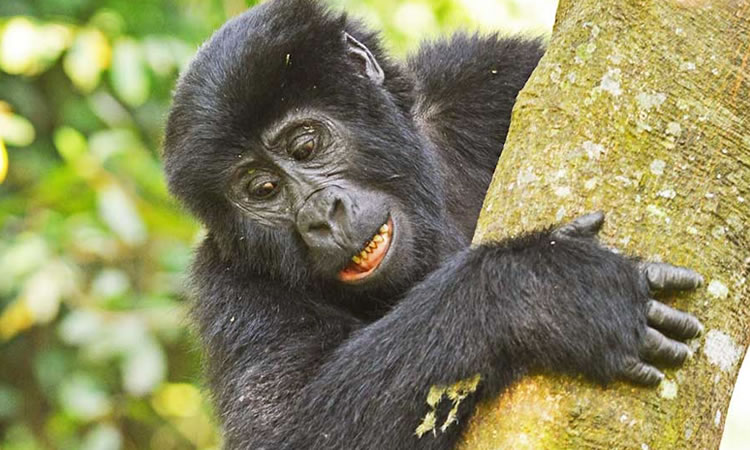 Mountain gorilla trekking is one of Uganda’s most sought-after wildlife experiences. Visitors travel to Bwindi Impenetrable National Park or Mgahinga Gorilla National Park to join authorised guides and trackers searching for habituated gorilla families.
A Uganda gorilla trekking permit authorises the holder to participate in the designated trekking activity under the applicable regulations. The permit fee includes specified components of the experience, so travellers should check what is covered before adding separate charges to their budget.
How much does a Uganda gorilla permit cost?
Under the tariff structure announced by UWA in February 2026, the standard foreign non-resident gorilla trekking permit is listed at US$800, with different rates for other visitor categories.
UWA also introduced discounted low-season gorilla tracking rates of US$600 for foreign non-residents and US$500 for foreign residents for April, May and November. These discounted permits are subject to the announced conditions and cannot be rescheduled.
The same announcement provides for revised standard activity tariffs from 1 January 2027. Travellers planning future trips should therefore check the applicable rate for their exact travel date rather than relying on an older quotation.
For gorilla trekking, it is advisable to secure permits before finalising non-refundable accommodation and transport arrangements. Availability is limited, and your permit location will influence where you should stay.
3. Chimpanzee Tracking Permits in Uganda
Chimpanzee tracking is another highlight of a Uganda wildlife safari. Kibale National Park is a leading destination, while the Kyambura Gorge area of Queen Elizabeth National Park offers another forest-tracking experience.
A chimpanzee tracking permit in Uganda allows visitors to participate in an authorised activity with trained guides, subject to the relevant park rules.
UWA’s February 2026 tariff announcement introduced low-season chimpanzee tracking rates of US$200 for foreign non-residents and US$150 for foreign residents during April, May and November.
The same announcement lists revised standard rates effective from 1 January 2027. For Kibale National Park, the listed foreign non-resident rate is US$300, while the Kyambura Gorge rate is US$200. Other visitor categories have different rates.
These changes make it particularly important to check the tariff applicable to your travel date.
When planning a chimpanzee-tracking safari, confirm whether the permit includes the applicable park entrance fee, as inclusions can differ by activity and destination.
4. Vehicle Entry Fees for Uganda National Parks
Travellers planning a self-drive safari should budget for vehicle-related park charges in addition to the rental cost.
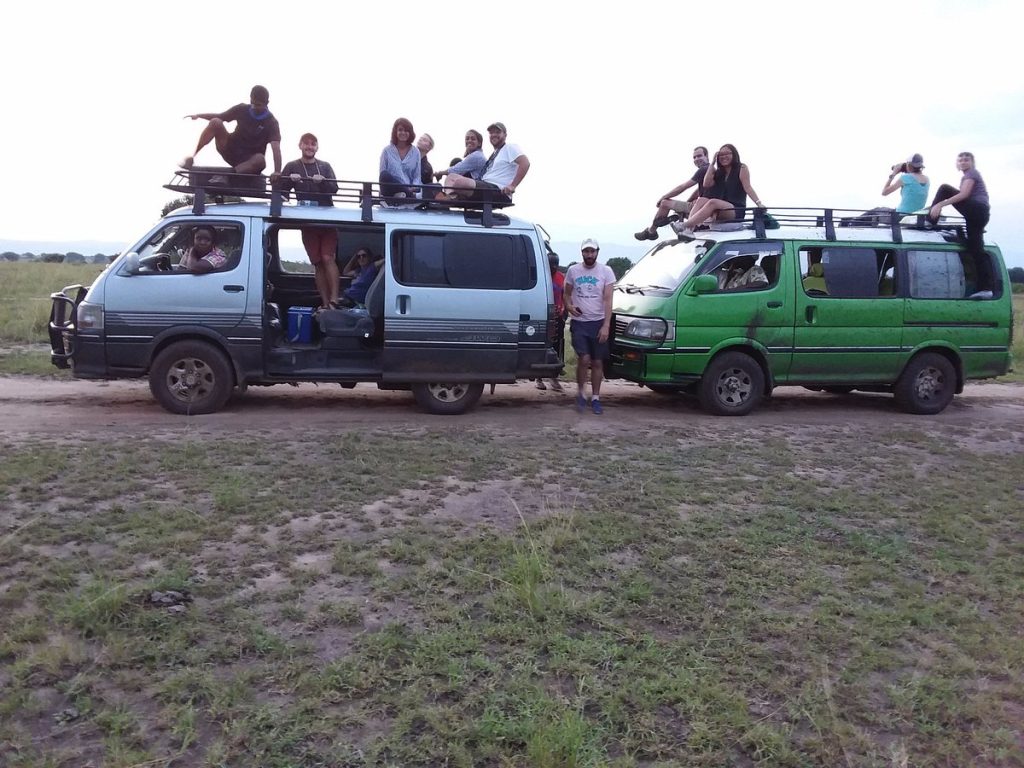 Uganda national park vehicle entry fees are distinct from passenger entrance fees. The amount depends on the vehicle’s classification, registration and the applicable tariff.
Some parks charge vehicle entry fees, while other protected areas have different arrangements. Commercial tour vehicles may also fall under a separate category.
Before booking a 4×4 rental, ask the rental provider which park charges are included in the quotation and which must be paid separately.
For Kenya 4×4 Self Drive customers, this is particularly important when comparing rental packages for independent wildlife trips across East Africa. A daily rental rate should not automatically be assumed to include national park entrance fees, vehicle charges or specialist activity permits.
Travellers crossing international borders should also verify vehicle authorisation, insurance requirements and relevant border documentation before departure.
5. Additional Uganda Safari Activities and Their Costs
Park entrance and primate permits are not the only expenses to consider. Many destinations offer activities that can make a safari more rewarding.
Boat cruises
The Nile boat cruise in Murchison Falls National Park and the Kazinga Channel cruise in Queen Elizabeth National Park are popular ways to observe wildlife from the water.
Check the current activity fee, departure arrangements and whether the price is per person or per boat.
Guided game drives
Visitors can arrange guided wildlife drives or explore designated routes independently where permitted. Ranger or guide fees may be charged separately.
Golden monkey tracking
Mgahinga Gorilla National Park offers golden monkey tracking, which provides another opportunity to explore the region’s mountain forests and primate habitats.
Hiking and nature walks
Mount Elgon, the Rwenzori Mountains and selected forest parks offer guided hiking and nature activities. Specialist routes may have separate fees and equipment requirements.
Chimpanzee habituation
Travellers seeking a longer forest experience can enquire about chimpanzee habituation in Kibale National Park. This is a separate activity from standard chimpanzee tracking and has its own permit requirements and pricing.
Always verify current prices, activity availability and inclusions directly with UWA or an authorised booking provider.
6. How to Book Uganda National Park Permits
Planning ahead can make a considerable difference, especially for gorilla and chimpanzee activities.
Follow these steps:
Step 1: Choose your destinations. Decide which national parks and activities suit your interests, available time and budget.
Step 2: Check permit availability. Confirm the relevant dates and trekking locations before paying for non-refundable travel arrangements.
Step 3: Verify the applicable tariff. Request the correct rates for your nationality or residency category and travel dates.
Step 4: Confirm payment requirements. UWA announced the suspension of its seven-day unpaid permit reservation window from 1 March 2026. Under the new arrangement, permits are secured through payment at the time of booking.
Step 5: Organise accommodation and transport. Choose accommodation that matches your permit location and arrange a suitable vehicle for your itinerary.
Step 6: Keep your booking documents accessible. Retain your permit confirmation and identification documents, and follow the instructions provided by the relevant authority.
For official guidance, visit the Uganda Wildlife Authority website.
7. Planning a Uganda Safari by 4×4 Rental Car
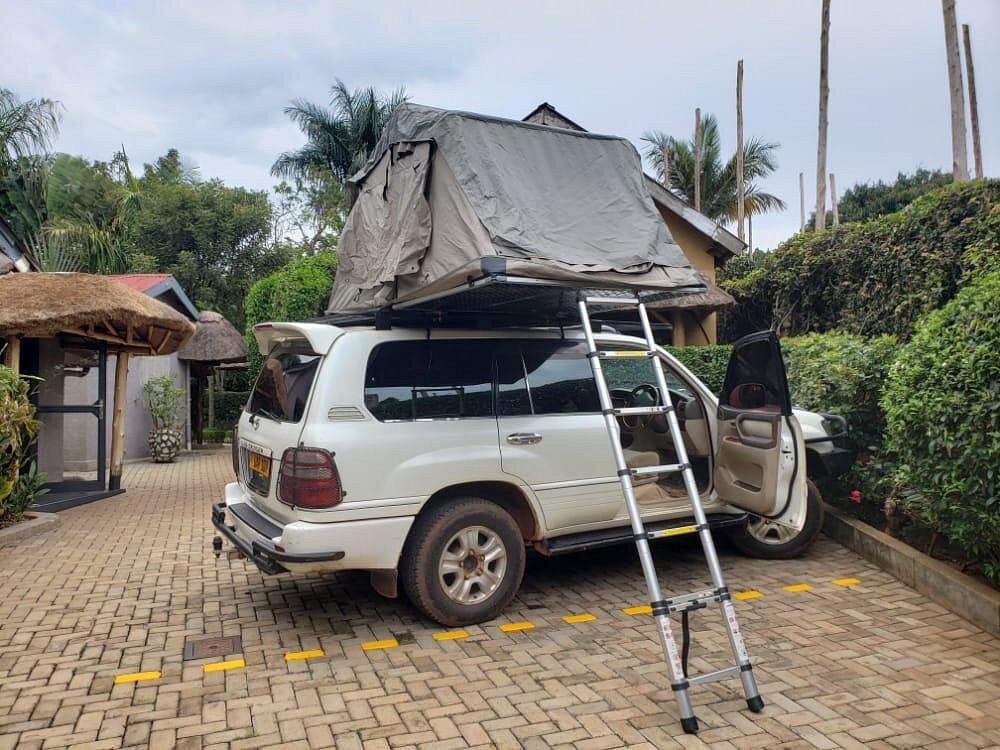 A self-drive safari offers flexibility for travellers who want to explore Uganda at their own pace. Depending on your itinerary, you may combine Murchison Falls, Kibale, Queen Elizabeth and Bwindi into a longer wildlife circuit.
When choosing a vehicle, consider ground clearance, luggage capacity, tyre condition, spare wheels and the condition of the roads on your route. A suitable 4×4 is particularly useful when travelling to remote accommodation or navigating challenging road conditions.
Mum and Dad Uganda Tours serves travellers exploring uganda and the wider East African region. Before booking, confirm vehicle availability, insurance provisions, roadside assistance and any cross-border permissions required for your trip.
A well-planned safari budget should account for:
- Park entrance fees for every traveller.
- Gorilla, chimpanzee or other activity permits.
- Applicable vehicle entry charges.
- Accommodation and meals.
- Vehicle rental and fuel.
- Ranger-guided activities and boat cruises.
- Border fees or cross-border documentation, where applicable.
- Emergency expenses and a reasonable contingency allowance.
Keeping these costs separate makes it easier to compare quotations and understand the full cost of your safari.
8. Best Time to Book Uganda Safari Permits
Uganda’s national parks can be visited throughout the year, but seasonal conditions affect trekking, wildlife viewing and road access.
The drier periods, commonly around December to February and June to August, are popular with visitors planning wildlife drives and forest trekking.
The wetter months can bring muddy forest trails and more challenging road conditions. However, they may also provide beautiful green scenery and rewarding birdwatching.
UWA’s announced low-season permit discounts for April, May and November may offer savings for eligible travellers. Check the relevant terms before making plans, particularly because the discounted permits cannot be rescheduled under the announcement.
If your dates are fixed, book early and confirm all cancellation and rescheduling conditions before payment.
Conclusion: Plan Your Uganda Safari with Accurate Fees and Permits
Understanding Uganda national parks fees and permits is an essential part of planning a successful wildlife adventure. From gorilla trekking in Bwindi to chimpanzee tracking in Kibale and game drives in Murchison Falls, every activity requires the right arrangements and a clear understanding of the applicable charges.
Permit prices and regulations can change, so use official tariff information when preparing your budget and confirm the final costs before booking.
Whether you are organising a dedicated Uganda wildlife safari or a wider East African road trip, the right combination of permits, accommodation and reliable transport will help you make the most of your journey.
Planning to explore Uganda by road? Contact Mum and Dad Uganda Tours to enquire about suitable Uganda safaris for your East African adventure and begin preparing a journey that brings you closer to Uganda’s extraordinary wildlife and landscapes.