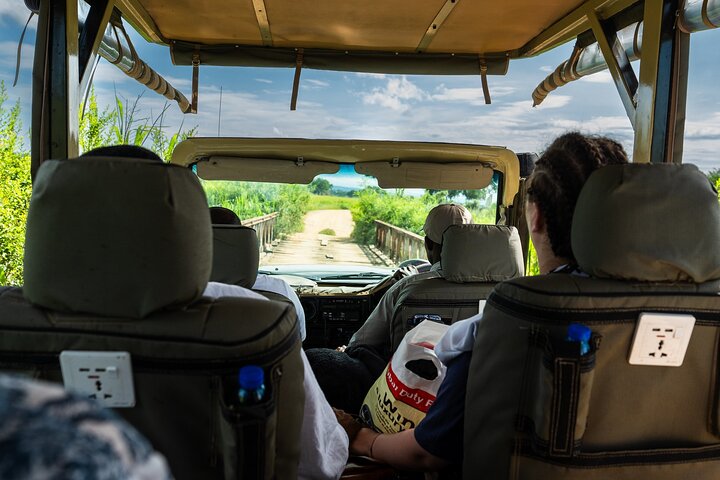
Tarangire National Park, Imagine driving through an ancient landscape dotted with massive, otherworldly baobab trees that look like they’ve stood guard for centuries. Herds of elephants gather beneath their shade, giraffes gracefully nibble on acacia leaves, and the distant call of lions echoes across the golden plains. This is Tarangire National Park, one of northern Tanzania’s best-kept safari secrets and a fantastic alternative to the busier Serengeti.
Often overshadowed by its famous neighbors, Tarangire delivers raw wilderness, incredible wildlife concentrations, and a more intimate safari experience. Spanning about 2,850 square kilometers, it lies roughly 120 km southeast of Arusha town and is bordered by community conservation areas that support both wildlife and local Maasai livelihoods. Named after the life-giving Tarangire River, the park features diverse habitats — riverine forests, acacia woodlands, open savannah, and swamps — making it a magnet for animals during the dry season.
Whether you’re planning a standalone Tarangire National Park safari or combining it with Serengeti, Ngorongoro Crater, or even a multi-country adventure starting from Uganda, this park offers unforgettable moments. In this detailed guide, we’ll cover everything you need to plan an exceptional visit.
Tarangire may not be as globally famous as Serengeti, but it rewards travelers seeking authentic, less-crowded wildlife encounters. The park’s iconic baobab trees dominate the landscape, creating stunning photo opportunities and vital habitats for birds, mammals, and insects. These “upside-down trees” can live for over 2,000 years and store massive amounts of water, making them ecological anchors during droughts.
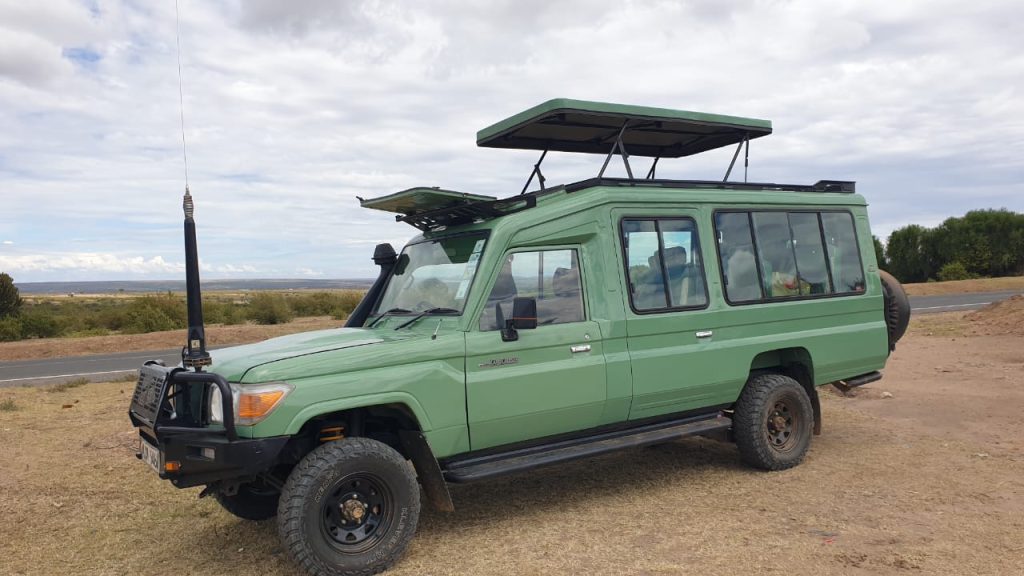
The Tarangire River is the park’s heartbeat. During the dry season (June to October), it becomes a critical water source, drawing massive herds from the surrounding Maasai Steppe. This makes Tarangire one of the best places in northern Tanzania to witness dramatic wildlife concentrations without the intense crowds of the Serengeti.
For travelers on a Uganda to Tanzania safari, Tarangire serves as a perfect bridge. After gorilla trekking in Bwindi or game drives in Queen Elizabeth, the transition to Tarangire’s baobab-studded plains feels like entering another chapter of an epic East African story.
Tarangire boasts one of the highest concentrations of large mammals in East Africa during the dry months.
Large Mammals and Iconic Species:
Primates: Blue monkeys and black-and-white colobus monkeys swing through the riverine forests.
Birdlife: Over 550 species recorded, including migratory birds. Highlights include hornbills, helmeted guinea fowls, yellow-collared lovebirds, bee-eaters, and raptors. The swamps attract flamingos and waterbirds, especially after rains.
Tarangire also serves as an important alternative Great Migration viewing area. While Serengeti’s herds move north during the dry season, animals in Tarangire migrate into the park from the Maasai Steppe, drawn by the permanent waters of the Tarangire River. This creates spectacular dry-season wildlife viewing from June to October.
Most visitors fly into Kilimanjaro International Airport (JRO) or Arusha Airport, then transfer to Tarangire (about 2–3 hours by road). The drive from Arusha is scenic, passing through small towns and farmlands before entering the park’s dramatic landscapes.
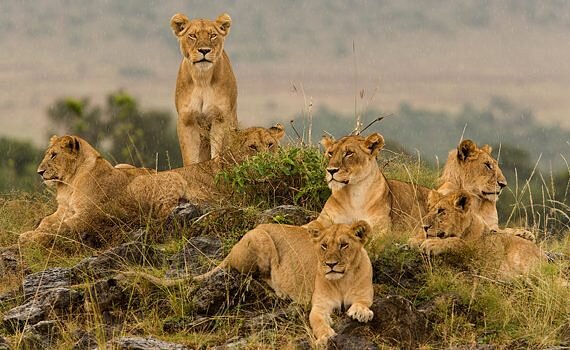
For adventurous travelers on a self drive Tanzania safari or using a Uganda registered vehicle, road access is feasible and rewarding. The journey allows spontaneous stops and en-route wildlife spotting. Charter flights to internal airstrips offer a quicker, bird’s-eye view of the baobabs and plains.
Tarangire offers a wonderful variety of experiences that go beyond standard game drives.
Game viewing in Tarangire is exceptional, especially along the river and around baobab clusters. Early morning and late afternoon drives maximize sightings. The park’s manageable size means you can cover diverse habitats in a day without feeling rushed.
One of Tarangire’s highlights is nature walks led by armed ranger guides. These off-road experiences let you explore on foot, learning about tracks, medicinal plants, and smaller creatures. Walks often lead to hidden viewpoints or quiet river spots perfect for reflection.
Visit nearby Maasai villages (bomas) to immerse yourself in their vibrant culture. Learn about traditional dances, warrior traditions, beadwork, and their harmonious relationship with wildlife. Purchasing locally made souvenirs directly supports the community.
Tarangire is a birder’s paradise. The mix of woodlands, riverine areas, and swamps supports resident and migratory species. The rainy season (November–May) brings even more diversity.
The park shines brightest during the dry season (June to October), when wildlife concentrates around the Tarangire River. This is prime time for elephant herds, predator action, and excellent game viewing.
The wet season (November to May) brings lush greenery, fewer visitors, and superb birdwatching, though some roads may become muddy and animals more dispersed. Many travelers combine both seasons for a fuller picture of the ecosystem.
Tarangire offers excellent lodging options for every budget:
Many lodges feature infinity pools overlooking waterholes where elephants and buffaloes regularly visit. Book in advance for peak dry season.
For a seamless multi-country experience that includes Tarangire, partnering with experienced operators is invaluable. Mum and Dad Uganda Tours stands out as one of the best safari companies in Uganda, renowned for crafting personalized itineraries that beautifully connect Uganda’s gorilla experiences with Tanzania’s northern circuit parks like Tarangire and Serengeti. Their knowledgeable guides, reliable logistics, and focus on sustainable travel make them a top choice for cross-border adventures.
Packing Essentials:
Safety and Etiquette:
Sample 4–7 Day Tarangire Itinerary:
Extend your trip with a Uganda registered vehicle for a full East Africa loop, creating one continuous, flexible journey.
Tarangire delivers an intimate, soul-stirring safari experience. The ancient baobabs, massive elephant herds, dramatic river scenes, and rich cultural encounters create memories that linger long after you return home. It’s ideal for families (kids love the baobabs and elephants), couples seeking romance, photographers chasing golden light on acacias, and anyone wanting a more relaxed pace than busier parks.
Compared to Serengeti, Tarangire feels wilder and more personal — perfect for travelers who want to escape crowds while still witnessing extraordinary wildlife.
Tarangire National Park proves that some of Africa’s greatest treasures lie slightly off the main tourist path. Its majestic baobabs, life-sustaining river, and abundant wildlife offer a profound connection to nature and culture that few places can match.
Ready to plan your Tarangire National Park safari? Whether combining it with Uganda adventures through experts like Mum and Dad Uganda Tours or focusing on Tanzania’s northern circuit, this park promises stories worth telling for years. The baobabs are waiting — start your journey today and discover why Tarangire captivates every visitor who experiences its magic.
FAQs About Tarangire National Park
Is Tarangire a good alternative to Serengeti? Yes — especially during the dry season when wildlife concentrations rival or exceed those in Serengeti.
How far is Tarangire from Arusha? Approximately 120 km — a 2–3 hour drive.
What is the best time to see elephants in Tarangire? Dry season (June–October) when they gather along the river.
Can you do self-drive in Tarangire? Yes, with a 4×4 and proper permits, though guided drives are recommended for safety and insights.
Is it good for birdwatching? Excellent, with over 550 species recorded.
Start planning your unforgettable Tarangire adventure. The endless baobabs, thundering herds, and warm Tanzanian hospitality await!
WhatsApp us